Out to the Harbor Light and Home Again
A village loop to a harbor light and back: a working cove, slow rocks, a fog bell offshore, and quiet streets that carry you home to the bus.
Fog is a June specialty on this coast, and it flatters any walk that ends at a lighthouse. The light in question stands offshore, a squat white tower planted on its own stone footing. You cannot walk out to it, which is precisely why the circuit works.
The loop begins and ends at a village bus stop, drops down to the water, and rounds a point of rocks. Along the way it collects a working cove, a beach of coarse shingle, and a bell with opinions. I walked it on a gray Wednesday morning in the second week of June.
One rule shapes the route, and I will state it before the first turn arrives. The shore here is a patchwork of private yards and public ways, so the walk keeps to marked paths and open beach. Everything this circuit needs is public, and it needs nothing else at all.
From the stop
The bus sets you down at a corner with a flagpole, a bakery window, and a bicycle rack shaped like a wave. Point Avenue runs seaward from there, losing elevation politely past porches and hydrangeas still rehearsing for July. The harbor smell arrives a full two blocks before the harbor does.
House numbers count down as the water nears, and the last of them keeps a dory on sawhorses in the yard. Where the pavement ends, a small town park takes over with a gravel lot and a board of notices. The notices deserve a minute: tide tables, an osprey update, and a reminder about dogs during nesting weeks.
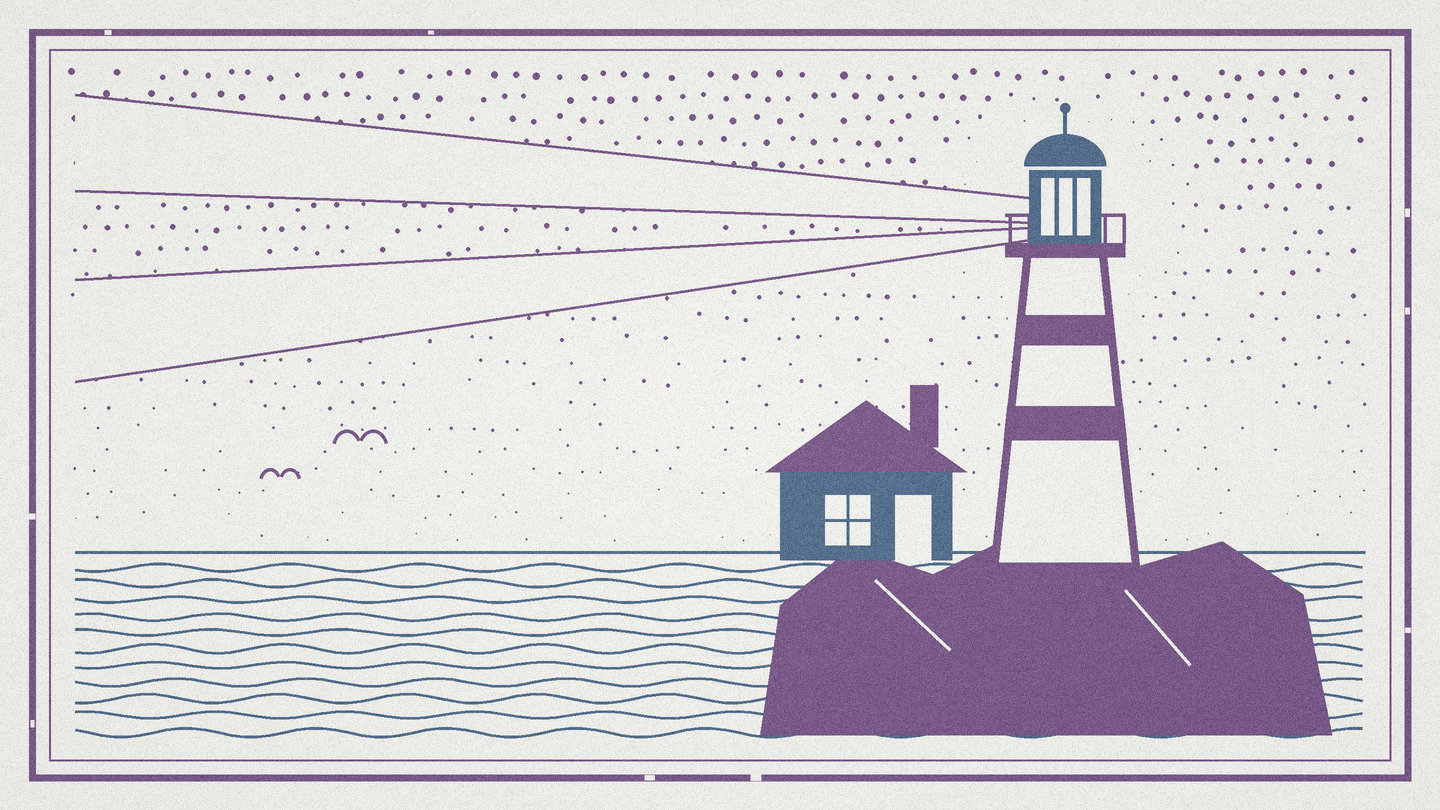
From the lot the point spreads ahead, low and green, with water on three sides in weather shades of gray. The light sits beyond it, white over a rust stained base, half erased by the morning fog. A bell somewhere out there was already keeping its own irregular time.
Down to the cove
West of the point the cove runs its morning business, and the circuit joins it at the boat ramp. A dozen skiffs rode their moorings, all swung by the wind into one agreeing direction. A man in waders worked the low water with a clam rake, unhurried, reading the flat like a page.
An osprey pair keeps a platform nest at the cove's north corner, and the town board reports on their season. This June the update read two chicks, hatched in late May, both loud. The parents crossed the cove at intervals with fish held forward like small announcements.
The cove beach is packed sand and easy walking for a good quarter mile. Wrack lines braid along it, holding crab backs, slipper shells, bleached rope, and one lost glove. Gulls supervised from the water's edge and billed through the weed with the air of auditors.
At the beach's far end the sand coarsens to shingle, and the point begins assembling itself out of stones. A row of weathered posts walks into the water there, the ribs of some long retired pier. This is the point's front door, and the fog held it half open.
Around the rocks
The rocks are rounded and sea schooled, stacked to ankle height, and they insist on your full attention. This is the slow stretch of the circuit, and it is the right place for slowness. Each step is a small decision, and a hundred small decisions later you have rounded the point.
Tide pools keep their departments in the hollows: barnacles, mussel colonies, and green crabs sidling under weed. I crouched at one pool long enough for the fog to bead on my sleeves. A cormorant surfaced offshore, considered the morning for a moment, and went back under without comment.
From the seaward face of the point the light finally owns the view, near and soft in the gray. Cormorants dried their wings on the riprap below it, arranged like laundry on a line. The bell buoy east of the tower rang on the swell's schedule, patient and entirely out of rhythm.
The bell and the bar
The village library keeps a thin pamphlet on the light, and the pamphlet deserves its shelf space. The first fog bell out there was struck by clockwork machinery, wound by hand, faithful in every weather. Keepers rowed ashore for mail and complained in writing about the winter ice.
The tower runs automated now, and the wound bell has given way to the buoy's simpler argument. In fog the sound does the seeing for everyone out on the water. From my boulder on the point I let it argue with the gulls for a quarter hour.
At dead low water a sand bar reaches from the point toward the light, and the sea peels back on either side. People walk out on it in summer, and the harbormaster's board has firm words posted about that habit. I kept to the point, watched the bar shine, and let the light keep its distance.
The long way home
The return leg leaves the beach through a marked right of way, ten feet wide and public on the town map. It delivers you to a shore lane of shingled cottages with their backs set against the wind. The grade climbs away from the water gently, sixty feet in all, spread thin across a mile.
On the way back the village shows its weekday face, which is my favorite of its faces. I passed a library branch the size of a two car garage, open Tuesdays and Thursdays. A cardboard sign about a missing cat was stapled at four corners, already going sun faded at the edges.
The lane rejoins the village by the green, where a bulletin case holds the season's small news. Sailing classes, a shellfish closure notice, and a found set of keys with a wooden fob. Villages this size run on notices, and I have never once minded stopping for them.
Back at the corner the flag rope ticked against its pole, and the fog had begun to lift. The bus into the city runs twice an hour on weekdays, less often on weekend afternoons. Mine arrived with four minutes to spare, and the driver nodded like an old accomplice.
Worth the walk
This circuit is short on miles and long on texture, and it repays a slow reader. The cove and the streets suit nearly everyone, strollers included, if you take the lane both ways and skip the shingle. The rocks around the point want shoes you trust and both hands free of errands.
Leave the bar alone however brightly it shines, and let the light stay offshore where it belongs. Go at low tide for the flats, or go in fog for the bell, and either ticket is a good one. Allow two unhurried hours door to door, and the bell will still be ringing when you leave.
Mile notes
- Tide windows taken from the harbormaster's posted table at the point parking lot
- Public right of way locations confirmed on the town's shoreline access map
- Fog signal history summarized from a lighthouse pamphlet in the village library's vertical file

Nell Harrow, founder and editor. Walks out of Providence, writes on the way back.