A Lamplit Loop on Benefit Street
A two and a third mile winter loop from the North Main Street shelter, timed lamp to lamp along the oldest mile of doorways in Providence.
The five o'clock bus let me off on North Main Street with dusk already leaning on the city. Benefit Street runs one block uphill from there, a mile of clapboard and brick that outlasted every plan to replace it. I walked its full loop on a cold January evening to settle a small question: how far, how steep, and how lit.
The circuit measures about two and a third miles, door to door from the bus shelter. It took me fifty two minutes at a looking around pace, with stops for lamps and doorways. You climb about one hundred eighty feet in total, and most of it arrives in the first ten minutes. The rest is a long southward glide past three centuries of front steps.
I will say this early, because January walkers deserve honesty about the ground. The brick sidewalks hold ice in their low spots long after the streets have dried. Wear shoes you trust, and give every downhill corner a little more respect than it asks for.
From the stop on North Main
The shelter sits across from the small memorial park where the city likes to say it began. Cross at the light, walk one block south along the storefronts, and turn uphill onto Church Street. The rise is honest but brief, roughly ninety seconds of leaning into the hill. At the top, Benefit Street opens left and right beneath a file of black iron lampposts.
Before you climb, note the timetable card in the shelter for the ride home. Buses pass this stop roughly every twenty minutes into the evening, more often at rush. Knowing the rhythm takes the clock watching out of the last quarter mile. A loop walks better when nobody in it is doing arithmetic under a streetlamp.
Turn right at the top and head south, keeping the lamps on your left shoulder. Within four minutes you pass the old colony statehouse, a plain brick block with a white balcony. A bronze plaque does the remembering there, so your feet are free to keep moving. I marked eight minutes from the shelter when I crossed Meeting Street for the first time.
The mile of doorways
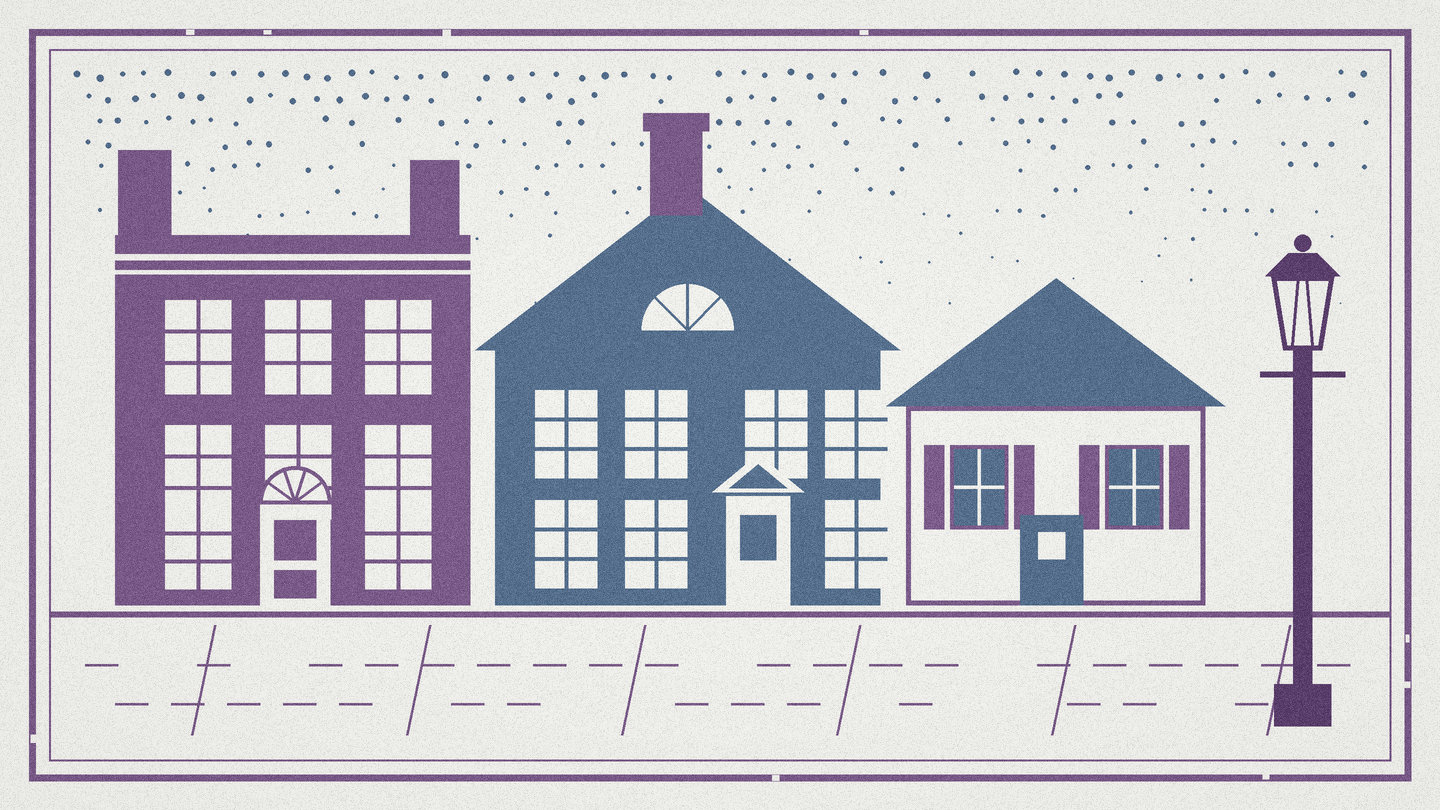
This is the stretch that photographs cannot leave alone, and even in bare January you see why. The houses stand shoulder to shoulder: gambrels, fanlights, and doors painted oxblood, spruce green, and a yellow like weak tea. Many wear small oval plaques with a builder's name and a date in the seventeen hundreds. Reading them at walking speed turns the mile into a slow census of carpenters.
I keep a private list of favorites, and I will name three without apology. A steep gabled cottage near number 88 wears its age the way old sailors wear weather. The granite library at number 251 sets its tall windows glowing by half past four. And a half timbered front near the corner of Thomas Street looks smuggled in from another century.
There is one detour I recommend even in the cold, and it costs two minutes. A few doors up Meeting Street stands the old printing office, a gambrel roofed house from 1772. A colonial newspaper was set by hand in that building, which makes it holy ground for this gazette. Its terraced garden sleeps under burlap in January, and the gate stays shut, but the front speaks plainly.
Listen while you walk, because the street keeps a winter soundtrack worth cataloging. A flag rope ticks against its pole near Meeting Street with a patience I have come to envy. Heat pumps hum behind board fences, and a train horn unspools somewhere down along the river. Underneath it all is the sound of your own steps changing key: brick, slate, brick again.
The cross streets arrive in a steady rhythm: Meeting, then Waterman, then Angell, then College. Each one offers a downhill glance at the city stacked in gray winter light. By minute twenty five you reach Power Street, where a grand brick mansion holds the corner with both hands. Two blocks later the crowds thin, the lots widen, and the street exhales.
Lamps and what they change
The gas lamps are the reason I chose a late afternoon in the middle of January. They burn all day, but nobody notices a flame until the sky starts losing interest. By four forty the little mantles stop looking quaint and start looking necessary. Each lamp throws a circle about ten feet wide, soft at the edges and warmer than any bulb.
Between circles the brick goes blue, and your eyes learn the old arithmetic of lamp to lamp. I tried counting the posts along the central stretch and gave up somewhere past forty. The flames do not hum or flicker so much as breathe, a small mechanical patience. Walk this hour once and every other streetlight in the city will feel slightly rude.
Down to the river and home
I turned downhill at Williams Street, two quiet blocks past the mansion on Power. The drop to South Main Street takes three minutes and returns every foot you climbed. Turn north there and the walk changes character completely, from parlor windows to storefronts and river air. The water shows itself in slices between buildings, pewter colored and busy with the tide.
South Main gives way to the riverside walkways, where the old stone bridges collect their evening pigeons. The streetlights here are ordinary and electric, which makes you grateful for the flames one block uphill. Fifteen level minutes bring you back to the crossing by the memorial park. My bus arrived four minutes after I reached the shelter, which felt like plain courtesy.
If the timing runs less kindly, the shelter has a bench and a readable map. I spent my four minutes watching lit windows climb the hill I had just walked. From below, Benefit Street reads as a single string of small warm rooms. That view alone is worth standing in the cold for a schedule.
Worth the walk
This loop is the gentlest introduction Providence offers to walking for its own sake. You get three centuries of doorways without a ticket, and lamplight without a costume drama. The climb is real but short, and the return leg is entirely level. Fifty minutes covers it at an easy pace, with time left over for plaque reading.
It is not for everyone on every day, and the street itself would agree. Stroller wheels will complain about the brick, and the Church Street rise is a genuine push. After an ice storm the slate turns glassy and stays that way for days. If steep starts put you off, begin at the level southern end and ride back from downtown.
Otherwise, pick a gray afternoon, button your coat, and let the lamps set your pace. The city keeps few promises, but this mile keeps its own hours faithfully. I stepped off the bus at five and was home before six thirty, fully persuaded.
Mile notes
- Lamp district and sidewalk details checked against the city's public works pages in January 2026
- House dates read from the oval historic plaques and the public library's street file
- Bus frequencies from the timetable card posted in the North Main Street shelter

Nell Harrow, founder and editor. Walks out of Providence, writes on the way back.